

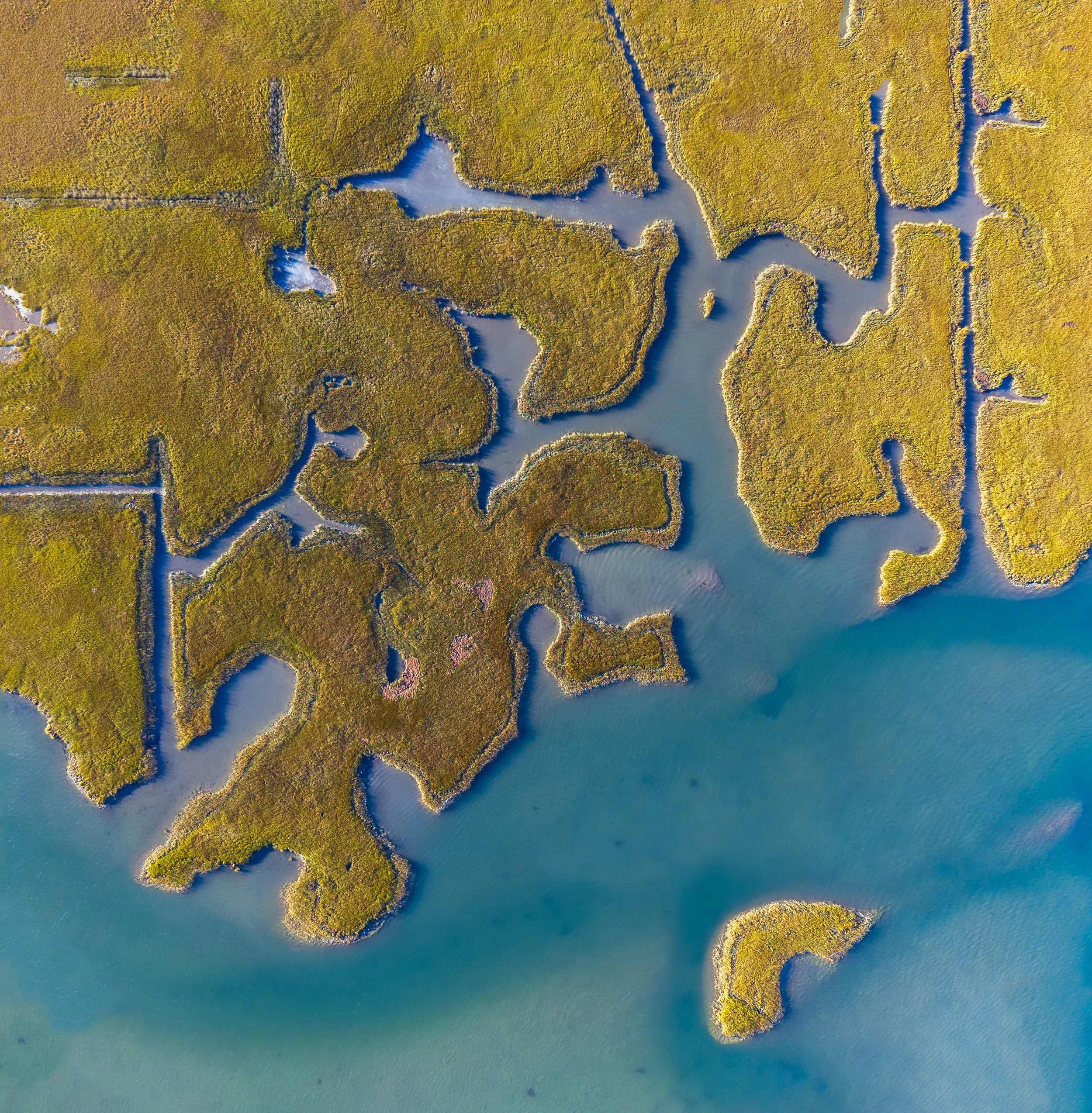
Aerial Imagery for Coastal, Conservation, and Working Landscapes
High-resolution aerial imagery and mapping support for environmental and coastal data collection — helping organizations, landowners, and property professionals monitor environmental change and document landscapes across Long Island, New York, and the Northeast.
Context, Science, and Spatial Data — From a Single Flight
Most drone operators bring a camera. Gaia brings context, science, and data—pairing conservation expertise with professional drone operations to deliver aerial imagery and spatial products that do more than document a landscape.
For conservation organizations and municipalities, that means monitoring change and communicating project outcomes. For farms, vineyards, landscape professionals, and property owners, it means capturing a place in its full context. Either way, it's aerial work with an eye for the landscape.
Coastal & Environmental Mapping
Providing aerial data collection and mapping support for environmental and coastal projects—helping conservation organizations, municipalities, engineers, land trusts, and environmental consultants with repeatable aerial documentation of:
Shoreline change
Habitat monitoring
Restoration tracking
Storm assessments
Grant and reporting visuals
Why it matters
Coastal and ecological landscapes are constantly changing. Repeatable drone mapping provides a landscape-scale perspective that helps document conditions, evaluate change over time, and communicate project outcomes for planning, restoration, and long-term stewardship.
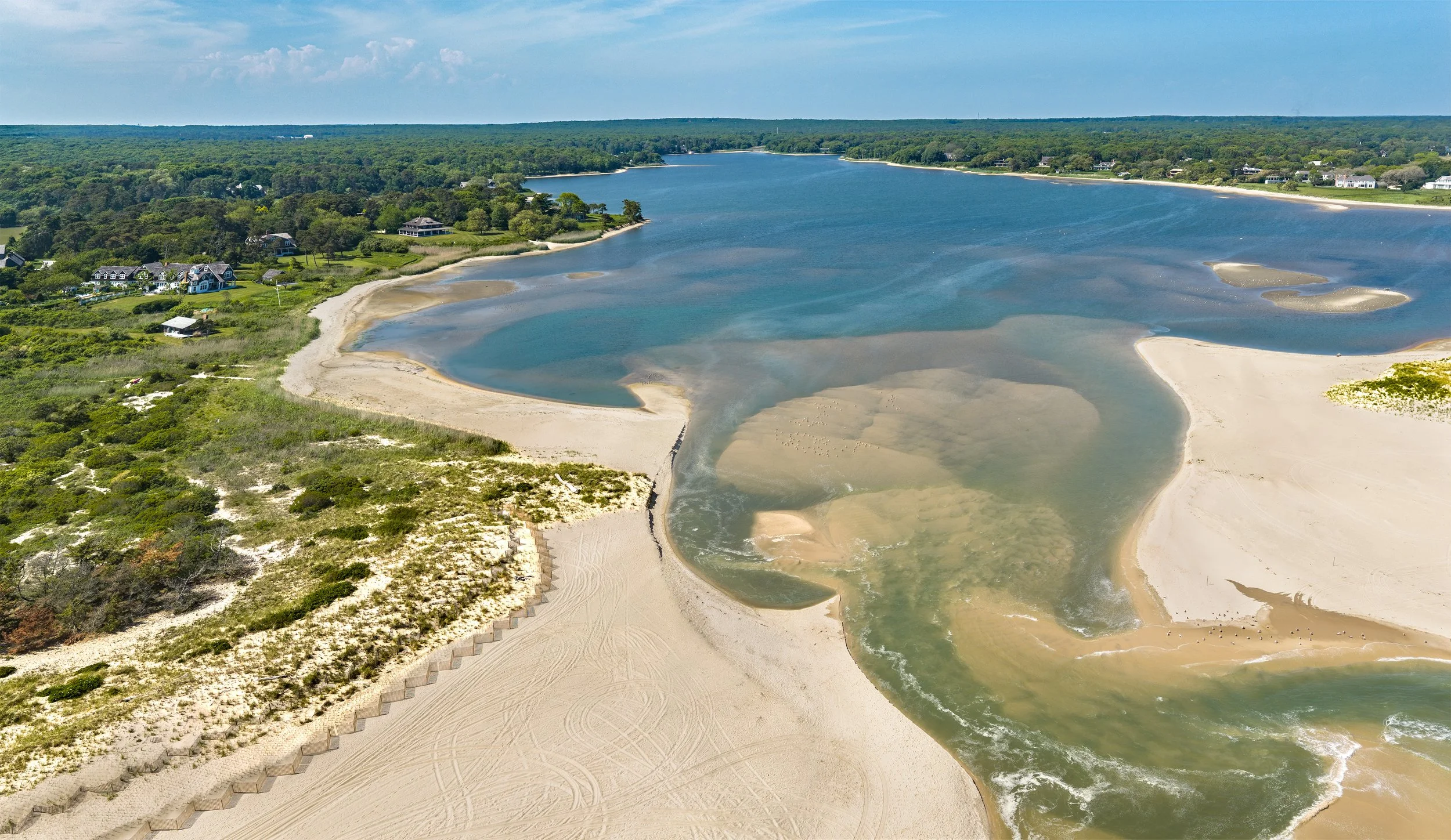
Working Landscapes Imagery
Helping farms, vineyards, nurseries, estate managers, and landscape firms document and showcase their land through:
Seasonal documentation
Field and crop monitoring
Completed installations and site changes
Property overviews
Before-and-after visuals
Why it matters
Working landscapes evolve season by season and project by project. Aerial imagery helps document that change—allowing vineyards to tell their vintage story, farms to monitor progress, and landscape professionals to showcase completed work with an eye for character, scale, and setting.
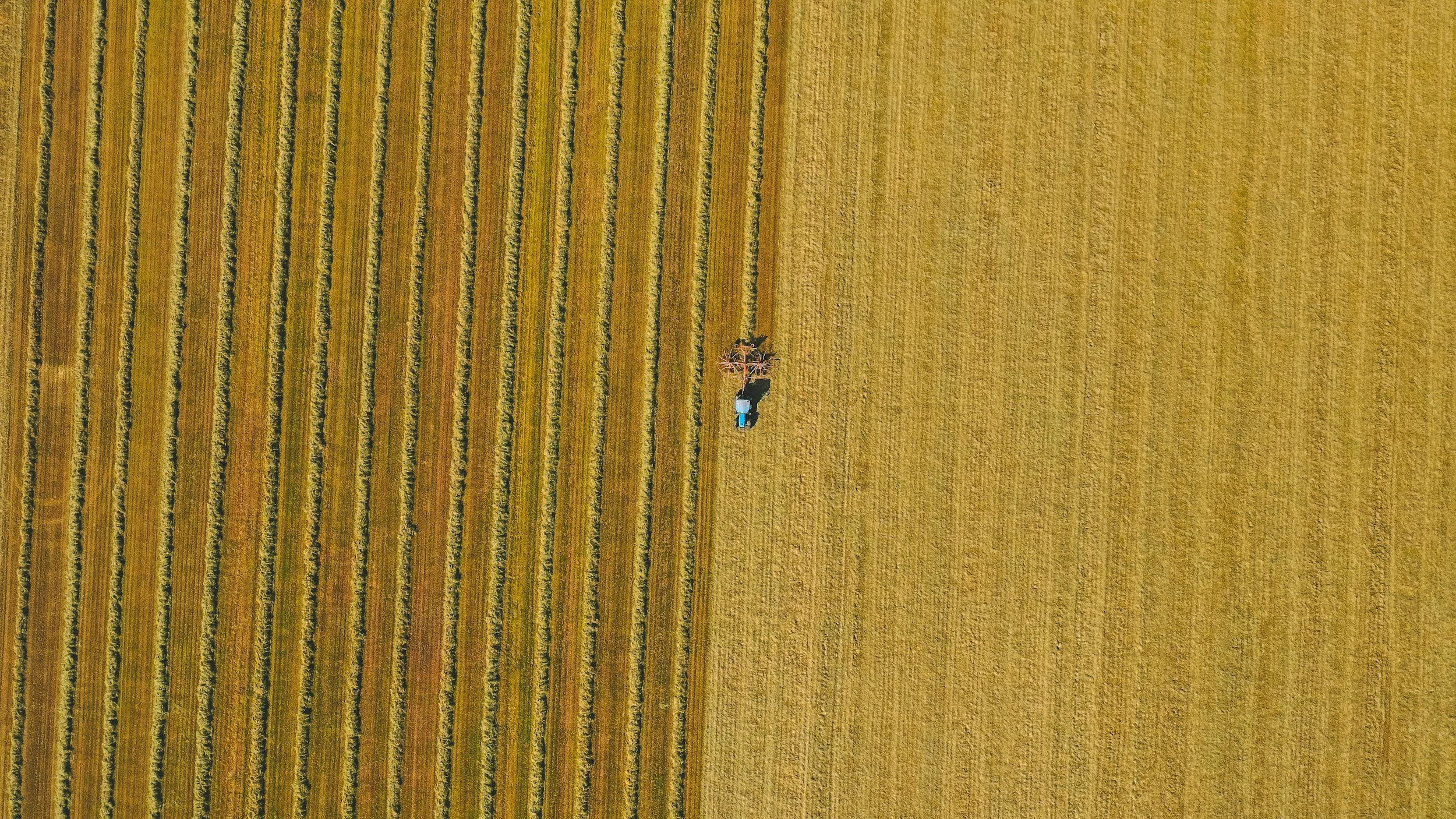
Real Estate Aerial Photography
Helping real estate agents, builders, homeowners, and property managers market Long Island properties through professional aerial imagery for:
Waterfront and coastal homes
Estates and large properties
New construction and developments
Luxury listings
Property context and surrounding landscape
Why it matters
Most listing photos show a house — aerial imagery shows a place. It captures a property's relationship to the water, surrounding landscape, and natural setting, giving buyers valuable context before they ever walk through the front door.
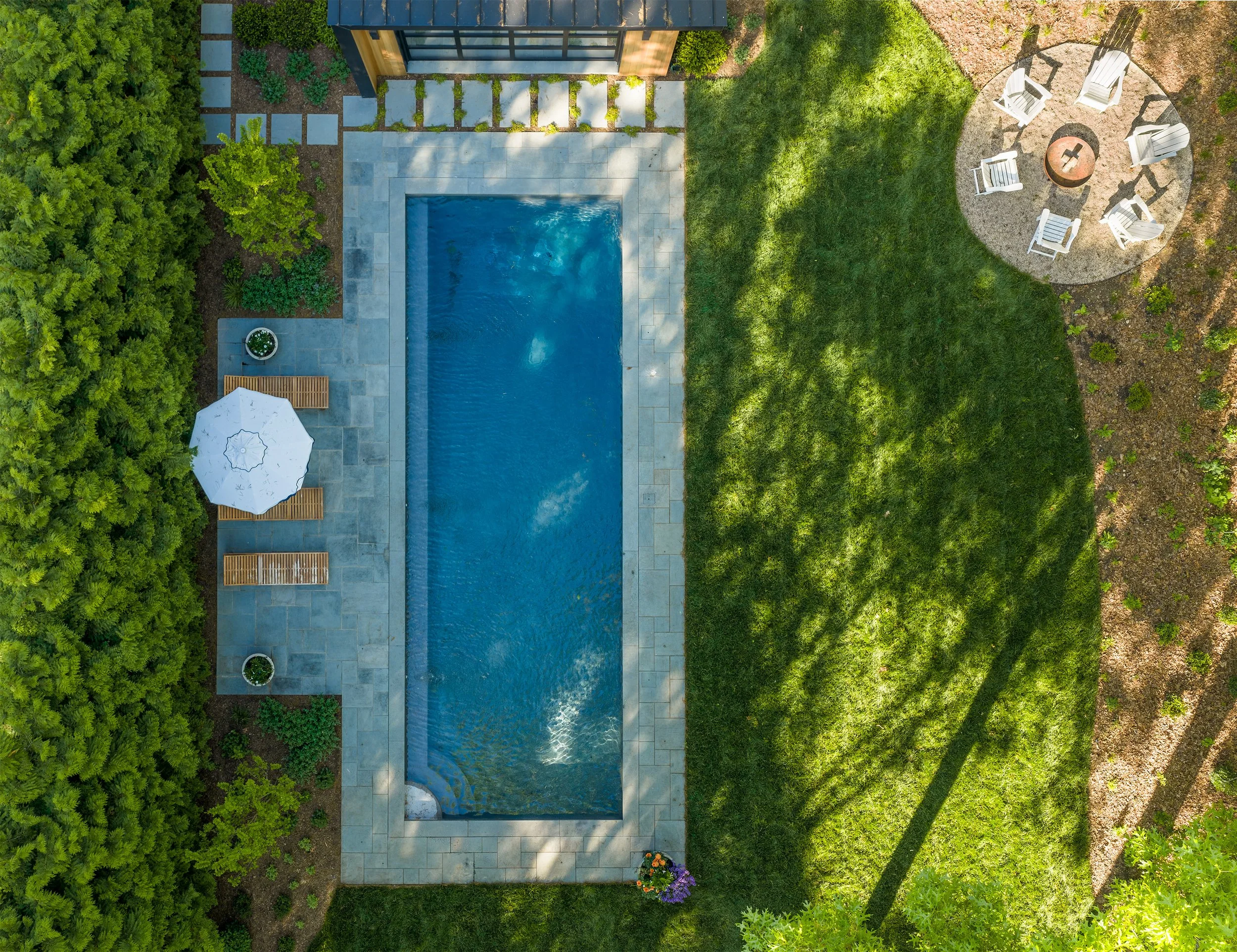
The Gaia Advantage
Gaia combines conservation science, geospatial expertise, and professional drone operations to produce aerial imagery and spatial data that go beyond documentation. Every project is approached with an understanding of the landscape, the questions being asked, and how the resulting imagery or data can support planning, monitoring, restoration, communication, or marketing.
Founded by Anna Soccorsi, an FAA Part 107 Certified Remote Pilot with an M.A. in Conservation Ecology from Columbia University, Gaia bridges environmental expertise with modern drone technology to deliver aerial imagery and mapping outputs that are both visually compelling and practically useful.
Professional Drone Capabilities
FAA Part 107 Certified UAS Operations
RTK-enabled aerial data collection in support of mapping and geospatial workflows
High-resolution aerial photography for environmental, commercial, and real estate applications
Imagery and data products (orthomosaics, digital elevation models, terrain visualization, GIS-ready outputs) that support monitoring, planning, and engineering work
Professional imagery for monitoring, documentation, reporting, and marketing
Deliverables optimized for web, print, and social media
Collaborative support for conservation organizations, consultants, municipalities, engineers, landscape professionals, and real estate teams
Ready to See Your Landscape From a New Perspective?
Whether you're monitoring shoreline change, documenting habitat restoration, showcasing a vineyard, marketing a waterfront property, or capturing a completed landscape project from above, Gaia Aerial Imagery supports aerial imagery and spatial data collection tailored to your goals.